Brand: Nachi
-

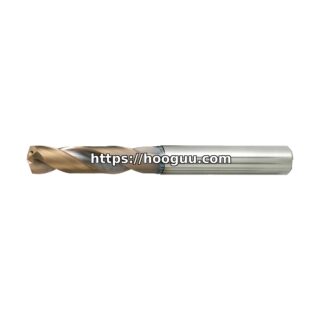
Nachi 1059967 #59 135° Cobalt Jobbers Drill
Price on requestRequest a Quote- Designed for drilling holes in hard-to-reach places.
- Black Oxide type. 135° Split point design is self-centering and helps to reduce the thrust requirements.
- Low thrust design allows for easier penetration.
- Two flute design offers faster feed and larger material removal rates.
- Lower helix angle offers enhanced strength, reduced lifting, and larger chip evacuation.
- Cobalt is harder than high-speed steel and is suited for better wear resistance.
- Optimum for high tensile alloys.
- Suitable for use with any standard lubricating/cutting oils, coolant fluids.
- Suited for heavy-duty, drilling operations for tougher materials.
- The 135° split point works for drilling alloy steels, manganese steels, harder stainless steels, and a variety of tough ferrous alloys.
- Works well with tough high tensile strength non-ferrous materials like titanium and Inconel due to their heat resistance.
- Cobalt drills are well suited for heavy-duty operations in high tensile strength, low machinability, ferrous metals, and alloys.
- Can also be used for handheld applications.
- Right hand (clockwise rotation) cutting direction.
- Standard two flute design.
- Standard spiral, helical flutes.
- Straight shanks that corresponds to the drill diameter.
- Jobbers length corresponds to the drill diameter. The jobbers length used for each of these drills is variable and determined by the specific drill diameter, offering the best balance between overall drill rigidity and depth capacity for each drill diameter.
- Manufactured from cobalt steel.
- Cylindrically ground from the solid.
- Heavy duty, general purpose drills.
- 135° point angle and a heavier web.
-
Nachi 1059973 #58 135° Cobalt Jobbers Drill
Price on requestRequest a Quote- Designed for drilling holes in hard-to-reach places.
- Black Oxide type. 135° Split point design is self-centering and helps to reduce the thrust requirements.
- Low thrust design allows for easier penetration.
- Two flute design offers faster feed and larger material removal rates.
- Lower helix angle offers enhanced strength, reduced lifting, and larger chip evacuation.
- Cobalt is harder than high-speed steel and is suited for better wear resistance.
- Optimum for high tensile alloys.
- Suitable for use with any standard lubricating/cutting oils, coolant fluids.
- Suited for heavy-duty, drilling operations for tougher materials.
- The 135° split point works for drilling alloy steels, manganese steels, harder stainless steels, and a variety of tough ferrous alloys.
- Works well with tough high tensile strength non-ferrous materials like titanium and Inconel due to their heat resistance.
- Cobalt drills are well suited for heavy-duty operations in high tensile strength, low machinability, ferrous metals, and alloys.
- Can also be used for handheld applications.
- Right hand (clockwise rotation) cutting direction.
- Standard two flute design.
- Standard spiral, helical flutes.
- Straight shanks that corresponds to the drill diameter.
- Jobbers length corresponds to the drill diameter. The jobbers length used for each of these drills is variable and determined by the specific drill diameter, offering the best balance between overall drill rigidity and depth capacity for each drill diameter.
- Manufactured from cobalt steel.
- Cylindrically ground from the solid.
- Heavy duty, general purpose drills.
- 135° point angle and a heavier web.
-
Nachi 1059980 #57 135° Cobalt Jobbers Drill
Price on requestRequest a Quote- Designed for drilling holes in hard-to-reach places.
- Black Oxide type. 135° Split point design is self-centering and helps to reduce the thrust requirements.
- Low thrust design allows for easier penetration.
- Two flute design offers faster feed and larger material removal rates.
- Lower helix angle offers enhanced strength, reduced lifting, and larger chip evacuation.
- Cobalt is harder than high-speed steel and is suited for better wear resistance.
- Optimum for high tensile alloys.
- Suitable for use with any standard lubricating/cutting oils, coolant fluids.
- Suited for heavy-duty, drilling operations for tougher materials.
- The 135° split point works for drilling alloy steels, manganese steels, harder stainless steels, and a variety of tough ferrous alloys.
- Works well with tough high tensile strength non-ferrous materials like titanium and Inconel due to their heat resistance.
- Cobalt drills are well suited for heavy-duty operations in high tensile strength, low machinability, ferrous metals, and alloys.
- Can also be used for handheld applications.
- Right hand (clockwise rotation) cutting direction.
- Standard two flute design.
- Standard spiral, helical flutes.
- Straight shanks that corresponds to the drill diameter.
- Jobbers length corresponds to the drill diameter. The jobbers length used for each of these drills is variable and determined by the specific drill diameter, offering the best balance between overall drill rigidity and depth capacity for each drill diameter.
- Manufactured from cobalt steel.
- Cylindrically ground from the solid.
- Heavy duty, general purpose drills.
- 135° point angle and a heavier web.
-
Nachi 1059996 #56 135° Cobalt Jobbers Drill
Price on requestRequest a Quote- Designed for drilling holes in hard-to-reach places.
- Black Oxide type. 135° Split point design is self-centering and helps to reduce the thrust requirements.
- Low thrust design allows for easier penetration.
- Two flute design offers faster feed and larger material removal rates.
- Lower helix angle offers enhanced strength, reduced lifting, and larger chip evacuation.
- Cobalt is harder than high-speed steel and is suited for better wear resistance.
- Optimum for high tensile alloys.
- Suitable for use with any standard lubricating/cutting oils, coolant fluids.
- Suited for heavy-duty, drilling operations for tougher materials.
- The 135° split point works for drilling alloy steels, manganese steels, harder stainless steels, and a variety of tough ferrous alloys.
- Works well with tough high tensile strength non-ferrous materials like titanium and Inconel due to their heat resistance.
- Cobalt drills are well suited for heavy-duty operations in high tensile strength, low machinability, ferrous metals, and alloys.
- Can also be used for handheld applications.
- Right hand (clockwise rotation) cutting direction.
- Standard two flute design.
- Standard spiral, helical flutes.
- Straight shanks that corresponds to the drill diameter.
- Jobbers length corresponds to the drill diameter. The jobbers length used for each of these drills is variable and determined by the specific drill diameter, offering the best balance between overall drill rigidity and depth capacity for each drill diameter.
- Manufactured from cobalt steel.
- Cylindrically ground from the solid.
- Heavy duty, general purpose drills.
- 135° point angle and a heavier web.
-
Nachi 1060000 #55 135° Cobalt Jobbers Drill
Price on requestRequest a Quote- Designed for drilling holes in hard-to-reach places.
- Black Oxide type. 135° Split point design is self-centering and helps to reduce the thrust requirements.
- Low thrust design allows for easier penetration.
- Two flute design offers faster feed and larger material removal rates.
- Lower helix angle offers enhanced strength, reduced lifting, and larger chip evacuation.
- Cobalt is harder than high-speed steel and is suited for better wear resistance.
- Optimum for high tensile alloys.
- Suitable for use with any standard lubricating/cutting oils, coolant fluids.
- Suited for heavy-duty, drilling operations for tougher materials.
- The 135° split point works for drilling alloy steels, manganese steels, harder stainless steels, and a variety of tough ferrous alloys.
- Works well with tough high tensile strength non-ferrous materials like titanium and Inconel due to their heat resistance.
- Cobalt drills are well suited for heavy-duty operations in high tensile strength, low machinability, ferrous metals, and alloys.
- Can also be used for handheld applications.
- Right hand (clockwise rotation) cutting direction.
- Standard two flute design.
- Standard spiral, helical flutes.
- Straight shanks that corresponds to the drill diameter.
- Jobbers length corresponds to the drill diameter. The jobbers length used for each of these drills is variable and determined by the specific drill diameter, offering the best balance between overall drill rigidity and depth capacity for each drill diameter.
- Manufactured from cobalt steel.
- Cylindrically ground from the solid.
- Heavy duty, general purpose drills.
- 135° point angle and a heavier web.
-
Nachi 1060016 #54 135° Cobalt Jobbers Drill
Price on requestRequest a Quote- Designed for drilling holes in hard-to-reach places.
- Black Oxide type. 135° Split point design is self-centering and helps to reduce the thrust requirements.
- Low thrust design allows for easier penetration.
- Two flute design offers faster feed and larger material removal rates.
- Lower helix angle offers enhanced strength, reduced lifting, and larger chip evacuation.
- Cobalt is harder than high-speed steel and is suited for better wear resistance.
- Optimum for high tensile alloys.
- Suitable for use with any standard lubricating/cutting oils, coolant fluids.
- Suited for heavy-duty, drilling operations for tougher materials.
- The 135° split point works for drilling alloy steels, manganese steels, harder stainless steels, and a variety of tough ferrous alloys.
- Works well with tough high tensile strength non-ferrous materials like titanium and Inconel due to their heat resistance.
- Cobalt drills are well suited for heavy-duty operations in high tensile strength, low machinability, ferrous metals, and alloys.
- Can also be used for handheld applications.
- Right hand (clockwise rotation) cutting direction.
- Standard two flute design.
- Standard spiral, helical flutes.
- Straight shanks that corresponds to the drill diameter.
- Jobbers length corresponds to the drill diameter. The jobbers length used for each of these drills is variable and determined by the specific drill diameter, offering the best balance between overall drill rigidity and depth capacity for each drill diameter.
- Manufactured from cobalt steel.
- Cylindrically ground from the solid.
- Heavy duty, general purpose drills.
- 135° point angle and a heavier web.
-
Nachi 1060022 #53 135° Cobalt Jobbers Drill
Price on requestRequest a Quote- Designed for drilling holes in hard-to-reach places.
- Black Oxide type. 135° Split point design is self-centering and helps to reduce the thrust requirements.
- Low thrust design allows for easier penetration.
- Two flute design offers faster feed and larger material removal rates.
- Lower helix angle offers enhanced strength, reduced lifting, and larger chip evacuation.
- Cobalt is harder than high-speed steel and is suited for better wear resistance.
- Optimum for high tensile alloys.
- Suitable for use with any standard lubricating/cutting oils, coolant fluids.
- Suited for heavy-duty, drilling operations for tougher materials.
- The 135° split point works for drilling alloy steels, manganese steels, harder stainless steels, and a variety of tough ferrous alloys.
- Works well with tough high tensile strength non-ferrous materials like titanium and Inconel due to their heat resistance.
- Cobalt drills are well suited for heavy-duty operations in high tensile strength, low machinability, ferrous metals, and alloys.
- Can also be used for handheld applications.
- Right hand (clockwise rotation) cutting direction.
- Standard two flute design.
- Standard spiral, helical flutes.
- Straight shanks that corresponds to the drill diameter.
- Jobbers length corresponds to the drill diameter. The jobbers length used for each of these drills is variable and determined by the specific drill diameter, offering the best balance between overall drill rigidity and depth capacity for each drill diameter.
- Manufactured from cobalt steel.
- Cylindrically ground from the solid.
- Heavy duty, general purpose drills.
- 135° point angle and a heavier web.
-
Nachi 1060039 #52 135° Cobalt Jobbers Drill
Price on requestRequest a Quote- Designed for drilling holes in hard-to-reach places.
- Black Oxide type. 135° Split point design is self-centering and helps to reduce the thrust requirements.
- Low thrust design allows for easier penetration.
- Two flute design offers faster feed and larger material removal rates.
- Lower helix angle offers enhanced strength, reduced lifting, and larger chip evacuation.
- Cobalt is harder than high-speed steel and is suited for better wear resistance.
- Optimum for high tensile alloys.
- Suitable for use with any standard lubricating/cutting oils, coolant fluids.
- Suited for heavy-duty, drilling operations for tougher materials.
- The 135° split point works for drilling alloy steels, manganese steels, harder stainless steels, and a variety of tough ferrous alloys.
- Works well with tough high tensile strength non-ferrous materials like titanium and Inconel due to their heat resistance.
- Cobalt drills are well suited for heavy-duty operations in high tensile strength, low machinability, ferrous metals, and alloys.
- Can also be used for handheld applications.
- Right hand (clockwise rotation) cutting direction.
- Standard two flute design.
- Standard spiral, helical flutes.
- Straight shanks that corresponds to the drill diameter.
- Jobbers length corresponds to the drill diameter. The jobbers length used for each of these drills is variable and determined by the specific drill diameter, offering the best balance between overall drill rigidity and depth capacity for each drill diameter.
- Manufactured from cobalt steel.
- Cylindrically ground from the solid.
- Heavy duty, general purpose drills.
- 135° point angle and a heavier web.
-
Nachi 1060045 #51 135° Cobalt Jobbers Drill
Price on requestRequest a Quote- Designed for drilling holes in hard-to-reach places.
- Black Oxide type. 135° Split point design is self-centering and helps to reduce the thrust requirements.
- Low thrust design allows for easier penetration.
- Two flute design offers faster feed and larger material removal rates.
- Lower helix angle offers enhanced strength, reduced lifting, and larger chip evacuation.
- Cobalt is harder than high-speed steel and is suited for better wear resistance.
- Optimum for high tensile alloys.
- Suitable for use with any standard lubricating/cutting oils, coolant fluids.
- Suited for heavy-duty, drilling operations for tougher materials.
- The 135° split point works for drilling alloy steels, manganese steels, harder stainless steels, and a variety of tough ferrous alloys.
- Works well with tough high tensile strength non-ferrous materials like titanium and Inconel due to their heat resistance.
- Cobalt drills are well suited for heavy-duty operations in high tensile strength, low machinability, ferrous metals, and alloys.
- Can also be used for handheld applications.
- Right hand (clockwise rotation) cutting direction.
- Standard two flute design.
- Standard spiral, helical flutes.
- Straight shanks that corresponds to the drill diameter.
- Jobbers length corresponds to the drill diameter. The jobbers length used for each of these drills is variable and determined by the specific drill diameter, offering the best balance between overall drill rigidity and depth capacity for each drill diameter.
- Manufactured from cobalt steel.
- Cylindrically ground from the solid.
- Heavy duty, general purpose drills.
- 135° point angle and a heavier web.
-
Nachi 1060051 #50 135° Cobalt Jobbers Drill
Price on requestRequest a Quote- Designed for drilling holes in hard-to-reach places.
- Black Oxide type. 135° Split point design is self-centering and helps to reduce the thrust requirements.
- Low thrust design allows for easier penetration.
- Two flute design offers faster feed and larger material removal rates.
- Lower helix angle offers enhanced strength, reduced lifting, and larger chip evacuation.
- Cobalt is harder than high-speed steel and is suited for better wear resistance.
- Optimum for high tensile alloys.
- Suitable for use with any standard lubricating/cutting oils, coolant fluids.
- Suited for heavy-duty, drilling operations for tougher materials.
- The 135° split point works for drilling alloy steels, manganese steels, harder stainless steels, and a variety of tough ferrous alloys.
- Works well with tough high tensile strength non-ferrous materials like titanium and Inconel due to their heat resistance.
- Cobalt drills are well suited for heavy-duty operations in high tensile strength, low machinability, ferrous metals, and alloys.
- Can also be used for handheld applications.
- Right hand (clockwise rotation) cutting direction.
- Standard two flute design.
- Standard spiral, helical flutes.
- Straight shanks that corresponds to the drill diameter.
- Jobbers length corresponds to the drill diameter. The jobbers length used for each of these drills is variable and determined by the specific drill diameter, offering the best balance between overall drill rigidity and depth capacity for each drill diameter.
- Manufactured from cobalt steel.
- Cylindrically ground from the solid.
- Heavy duty, general purpose drills.
- 135° point angle and a heavier web.
-
Nachi 1060068 #49 135° Cobalt Jobbers Drill
Price on requestRequest a Quote- Designed for drilling holes in hard-to-reach places.
- Black Oxide type. 135° Split point design is self-centering and helps to reduce the thrust requirements.
- Low thrust design allows for easier penetration.
- Two flute design offers faster feed and larger material removal rates.
- Lower helix angle offers enhanced strength, reduced lifting, and larger chip evacuation.
- Cobalt is harder than high-speed steel and is suited for better wear resistance.
- Optimum for high tensile alloys.
- Suitable for use with any standard lubricating/cutting oils, coolant fluids.
- Suited for heavy-duty, drilling operations for tougher materials.
- The 135° split point works for drilling alloy steels, manganese steels, harder stainless steels, and a variety of tough ferrous alloys.
- Works well with tough high tensile strength non-ferrous materials like titanium and Inconel due to their heat resistance.
- Cobalt drills are well suited for heavy-duty operations in high tensile strength, low machinability, ferrous metals, and alloys.
- Can also be used for handheld applications.
- Right hand (clockwise rotation) cutting direction.
- Standard two flute design.
- Standard spiral, helical flutes.
- Straight shanks that corresponds to the drill diameter.
- Jobbers length corresponds to the drill diameter. The jobbers length used for each of these drills is variable and determined by the specific drill diameter, offering the best balance between overall drill rigidity and depth capacity for each drill diameter.
- Manufactured from cobalt steel.
- Cylindrically ground from the solid.
- Heavy duty, general purpose drills.
- 135° point angle and a heavier web.
-
Nachi 1060074 #48 135° Cobalt Jobbers Drill
Price on requestRequest a Quote- Designed for drilling holes in hard-to-reach places.
- Black Oxide type. 135° Split point design is self-centering and helps to reduce the thrust requirements.
- Low thrust design allows for easier penetration.
- Two flute design offers faster feed and larger material removal rates.
- Lower helix angle offers enhanced strength, reduced lifting, and larger chip evacuation.
- Cobalt is harder than high-speed steel and is suited for better wear resistance.
- Optimum for high tensile alloys.
- Suitable for use with any standard lubricating/cutting oils, coolant fluids.
- Suited for heavy-duty, drilling operations for tougher materials.
- The 135° split point works for drilling alloy steels, manganese steels, harder stainless steels, and a variety of tough ferrous alloys.
- Works well with tough high tensile strength non-ferrous materials like titanium and Inconel due to their heat resistance.
- Cobalt drills are well suited for heavy-duty operations in high tensile strength, low machinability, ferrous metals, and alloys.
- Can also be used for handheld applications.
- Right hand (clockwise rotation) cutting direction.
- Standard two flute design.
- Standard spiral, helical flutes.
- Straight shanks that corresponds to the drill diameter.
- Jobbers length corresponds to the drill diameter. The jobbers length used for each of these drills is variable and determined by the specific drill diameter, offering the best balance between overall drill rigidity and depth capacity for each drill diameter.
- Manufactured from cobalt steel.
- Cylindrically ground from the solid.
- Heavy duty, general purpose drills.
- 135° point angle and a heavier web.
-
Nachi 1060080 #47 135° Cobalt Jobbers Drill
Price on requestRequest a Quote- Designed for drilling holes in hard-to-reach places.
- Black Oxide type. 135° Split point design is self-centering and helps to reduce the thrust requirements.
- Low thrust design allows for easier penetration.
- Two flute design offers faster feed and larger material removal rates.
- Lower helix angle offers enhanced strength, reduced lifting, and larger chip evacuation.
- Cobalt is harder than high-speed steel and is suited for better wear resistance.
- Optimum for high tensile alloys.
- Suitable for use with any standard lubricating/cutting oils, coolant fluids.
- Suited for heavy-duty, drilling operations for tougher materials.
- The 135° split point works for drilling alloy steels, manganese steels, harder stainless steels, and a variety of tough ferrous alloys.
- Works well with tough high tensile strength non-ferrous materials like titanium and Inconel due to their heat resistance.
- Cobalt drills are well suited for heavy-duty operations in high tensile strength, low machinability, ferrous metals, and alloys.
- Can also be used for handheld applications.
- Right hand (clockwise rotation) cutting direction.
- Standard two flute design.
- Standard spiral, helical flutes.
- Straight shanks that corresponds to the drill diameter.
- Jobbers length corresponds to the drill diameter. The jobbers length used for each of these drills is variable and determined by the specific drill diameter, offering the best balance between overall drill rigidity and depth capacity for each drill diameter.
- Manufactured from cobalt steel.
- Cylindrically ground from the solid.
- Heavy duty, general purpose drills.
- 135° point angle and a heavier web.
-
Nachi 1060097 #46 135° Cobalt Jobbers Drill
Price on requestRequest a Quote- Designed for drilling holes in hard-to-reach places.
- Black Oxide type. 135° Split point design is self-centering and helps to reduce the thrust requirements.
- Low thrust design allows for easier penetration.
- Two flute design offers faster feed and larger material removal rates.
- Lower helix angle offers enhanced strength, reduced lifting, and larger chip evacuation.
- Cobalt is harder than high-speed steel and is suited for better wear resistance.
- Optimum for high tensile alloys.
- Suitable for use with any standard lubricating/cutting oils, coolant fluids.
- Suited for heavy-duty, drilling operations for tougher materials.
- The 135° split point works for drilling alloy steels, manganese steels, harder stainless steels, and a variety of tough ferrous alloys.
- Works well with tough high tensile strength non-ferrous materials like titanium and Inconel due to their heat resistance.
- Cobalt drills are well suited for heavy-duty operations in high tensile strength, low machinability, ferrous metals, and alloys.
- Can also be used for handheld applications.
- Right hand (clockwise rotation) cutting direction.
- Standard two flute design.
- Standard spiral, helical flutes.
- Straight shanks that corresponds to the drill diameter.
- Jobbers length corresponds to the drill diameter. The jobbers length used for each of these drills is variable and determined by the specific drill diameter, offering the best balance between overall drill rigidity and depth capacity for each drill diameter.
- Manufactured from cobalt steel.
- Cylindrically ground from the solid.
- Heavy duty, general purpose drills.
- 135° point angle and a heavier web.
-
Nachi 1060102 #45 135° Cobalt Jobbers Drill
Price on requestRequest a Quote- Designed for drilling holes in hard-to-reach places.
- Black Oxide type. 135° Split point design is self-centering and helps to reduce the thrust requirements.
- Low thrust design allows for easier penetration.
- Two flute design offers faster feed and larger material removal rates.
- Lower helix angle offers enhanced strength, reduced lifting, and larger chip evacuation.
- Cobalt is harder than high-speed steel and is suited for better wear resistance.
- Optimum for high tensile alloys.
- Suitable for use with any standard lubricating/cutting oils, coolant fluids.
- Suited for heavy-duty, drilling operations for tougher materials.
- The 135° split point works for drilling alloy steels, manganese steels, harder stainless steels, and a variety of tough ferrous alloys.
- Works well with tough high tensile strength non-ferrous materials like titanium and Inconel due to their heat resistance.
- Cobalt drills are well suited for heavy-duty operations in high tensile strength, low machinability, ferrous metals, and alloys.
- Can also be used for handheld applications.
- Right hand (clockwise rotation) cutting direction.
- Standard two flute design.
- Standard spiral, helical flutes.
- Straight shanks that corresponds to the drill diameter.
- Jobbers length corresponds to the drill diameter. The jobbers length used for each of these drills is variable and determined by the specific drill diameter, offering the best balance between overall drill rigidity and depth capacity for each drill diameter.
- Manufactured from cobalt steel.
- Cylindrically ground from the solid.
- Heavy duty, general purpose drills.
- 135° point angle and a heavier web.
-
Nachi 1060119 #44 135° Cobalt Jobbers Drill
Price on requestRequest a Quote- Designed for drilling holes in hard-to-reach places.
- Black Oxide type. 135° Split point design is self-centering and helps to reduce the thrust requirements.
- Low thrust design allows for easier penetration.
- Two flute design offers faster feed and larger material removal rates.
- Lower helix angle offers enhanced strength, reduced lifting, and larger chip evacuation.
- Cobalt is harder than high-speed steel and is suited for better wear resistance.
- Optimum for high tensile alloys.
- Suitable for use with any standard lubricating/cutting oils, coolant fluids.
- Suited for heavy-duty, drilling operations for tougher materials.
- The 135° split point works for drilling alloy steels, manganese steels, harder stainless steels, and a variety of tough ferrous alloys.
- Works well with tough high tensile strength non-ferrous materials like titanium and Inconel due to their heat resistance.
- Cobalt drills are well suited for heavy-duty operations in high tensile strength, low machinability, ferrous metals, and alloys.
- Can also be used for handheld applications.
- Right hand (clockwise rotation) cutting direction.
- Standard two flute design.
- Standard spiral, helical flutes.
- Straight shanks that corresponds to the drill diameter.
- Jobbers length corresponds to the drill diameter. The jobbers length used for each of these drills is variable and determined by the specific drill diameter, offering the best balance between overall drill rigidity and depth capacity for each drill diameter.
- Manufactured from cobalt steel.
- Cylindrically ground from the solid.
- Heavy duty, general purpose drills.
- 135° point angle and a heavier web.